Quick Answer
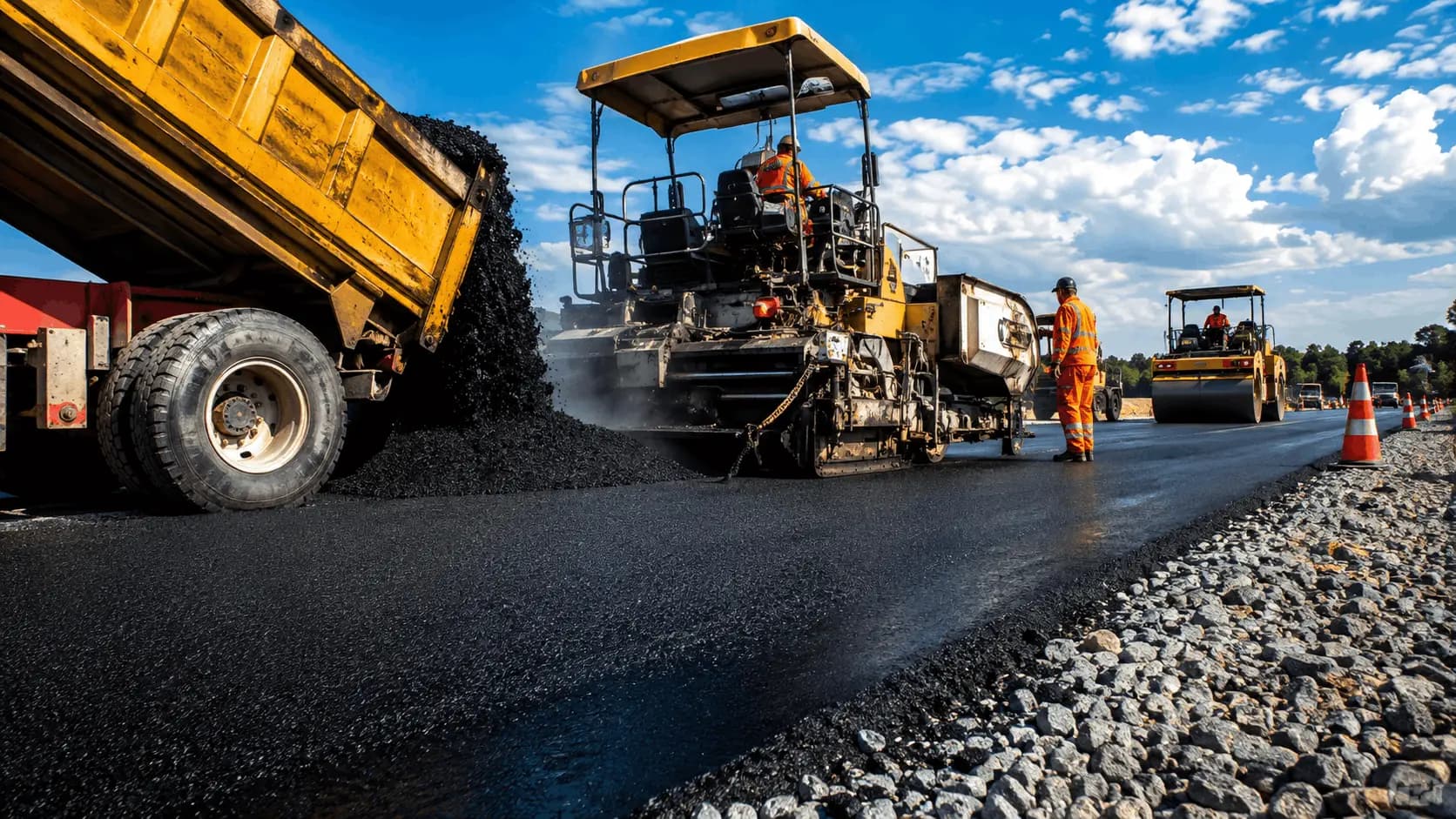
Bitumen is a thick, black, petroleum-based material that acts as the binding agent in asphalt. It's made through crude oil refining or found naturally in oil sands and asphalt lakes. Bitumen turns liquid when heated and hardens as it cools, which is why it's used to bind stone and gravel together for roads, roofing, and waterproofing.
Bitumen is one of the oldest and most used construction materials on the planet — and also one of the most misunderstood. Most people recognise it as the black stuff in roads, but that barely scratches the surface of what it is, where it comes from, and why so many different industries rely on it.
This guide covers the complete picture: the chemistry, the grades, the uses, and how bitumen compares to asphalt and tar — so whether you're specifying it for a project or just trying to understand it properly, you'll find clear answers here.
What Is Bitumen?
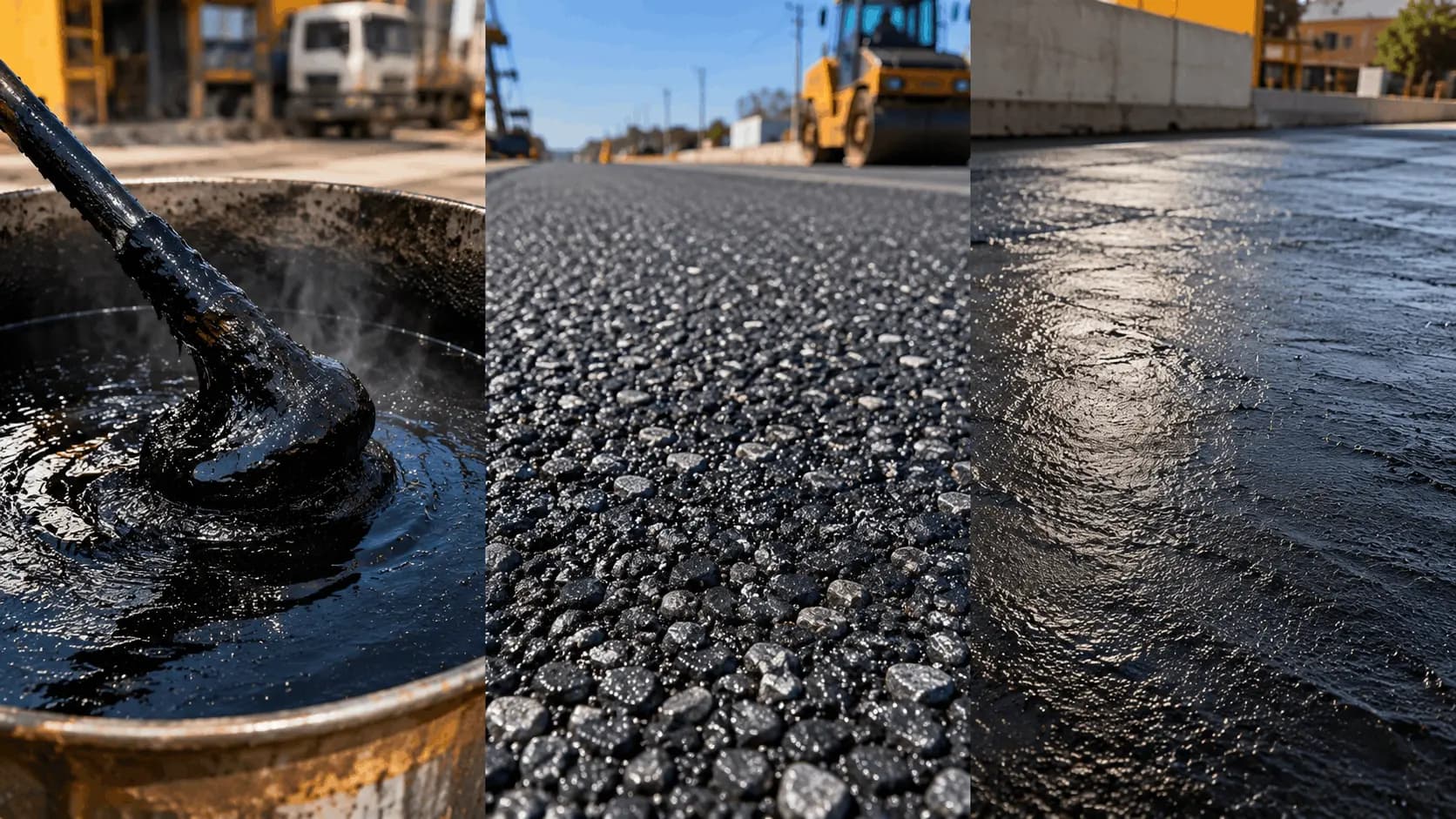
Bitumen is a dark, sticky substance that's semi-solid at room temperature but flows like a thick liquid when heated. It belongs to the same family as crude oil and is one of the heaviest, most complex fractions left over after refining.
If you've ever watched a road crew laying fresh asphalt, the black liquid holding everything together is bitumen. It's not gravel, and it's not asphalt on its own — it's the binder that makes asphalt work.
Is bitumen a liquid?Not exactly, and that's the interesting part. At normal outdoor temperatures, bitumen behaves as a solid or semi-solid. Heat it to around 150–160°C, and it turns into a workable liquid that can be poured, mixed, and spread. As it cools, it sets again. This heat-sensitive behavior is called thermoplastic, and it's the reason bitumen is so useful for construction. According to the Federal Highway Administration , bitumen has been used in construction and waterproofing applications for thousands of years.
What Is Bitumen Made Of?
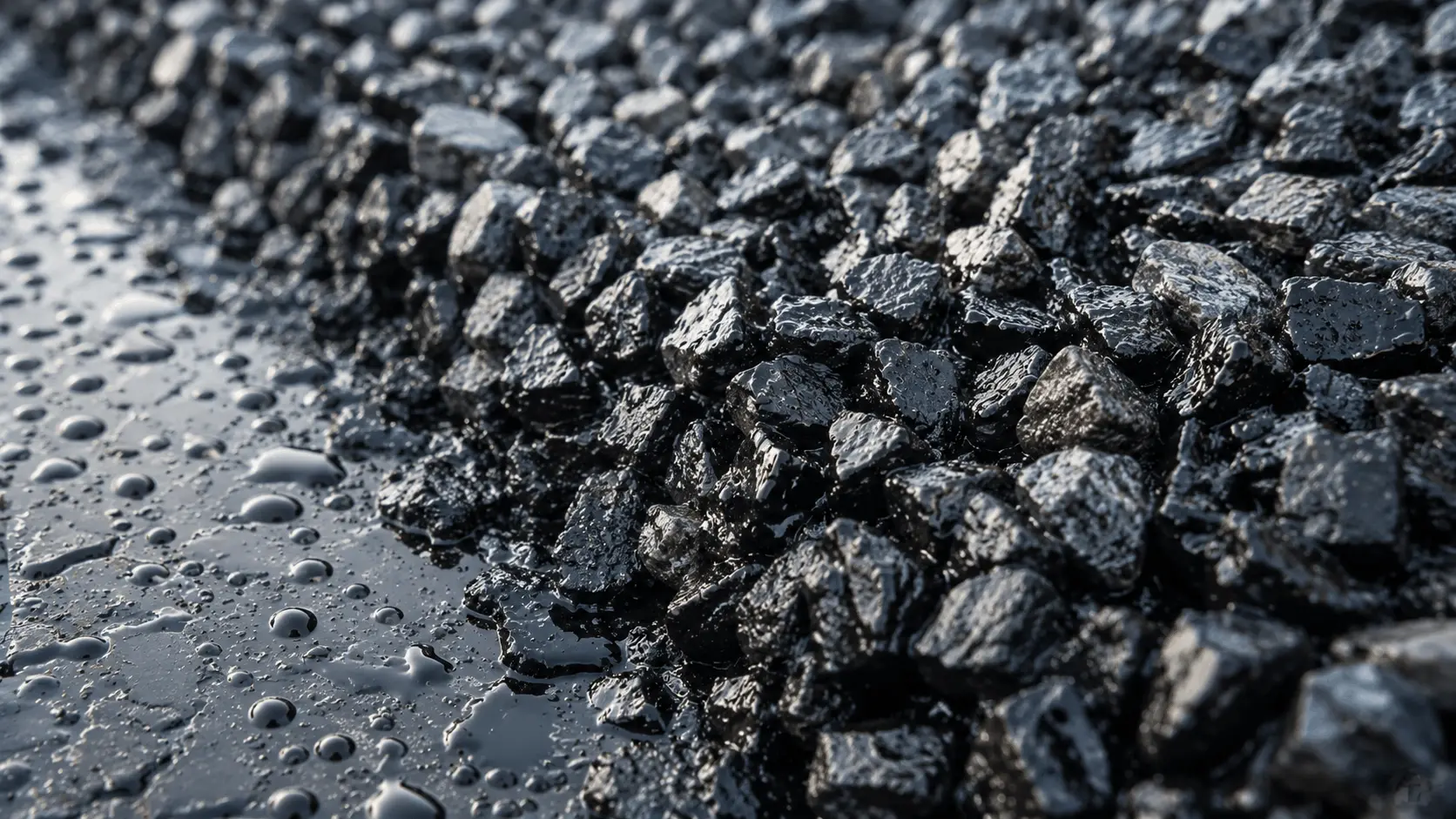
Bitumen is made mostly of hydrocarbons, along with smaller amounts of sulfur, nitrogen, and trace metals like nickel and vanadium. These hydrocarbons fall into a few groups — asphaltenes, resins, and oils — and the ratio between them determines how hard, soft, or elastic the final bitumen is.
Two main routes produce bitumen:
- Refined bitumen — the byproduct left after crude oil goes through distillation to extract lighter products like gasoline and diesel
- Natural bitumen — found in the ground, formed over millions of years as lighter oil components evaporated or degraded, leaving behind a thick residue
Most of the bitumen used in construction today is refined, since it's easier to control quality and consistency at scale.
Where Does Bitumen Come From? (How It's Made)
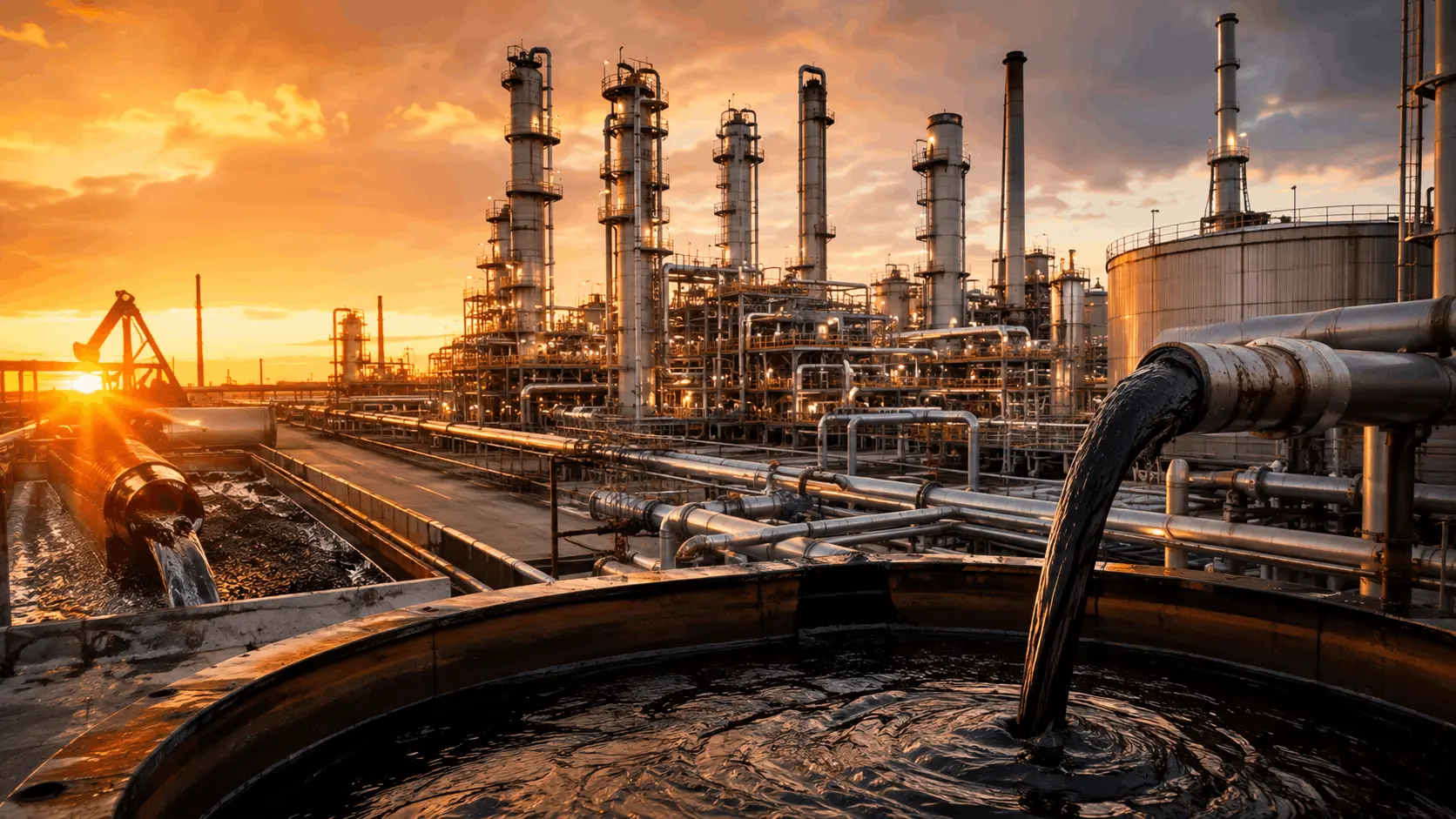
Bitumen comes from two sources: oil refineries and natural deposits.
At a refinery, crude oil goes through a step-by-step separation process: it's heated in a furnace, then atmospheric distillation pulls off the lightest products first (gases, gasoline, naphtha), followed by vacuum distillation, which separates the remaining heavier fractions like diesel and lubricating oils under reduced pressure. What's left at the bottom, too heavy to vaporize further, is the heavy residue — the bitumen.
This is the standard method refineries use worldwide, and it's why bitumen is often described as the “bottom of the barrel” — the last and heaviest product crude oil yields.
Natural bitumen forms differently, with no refinery involved. Over geological time, oil deposits near the Earth's surface lose their lighter compounds to evaporation and bacterial breakdown, leaving thick bitumen behind. The Athabasca oil sands in Canada and the Pitch Lake in Trinidad are two well-known natural sources. These deposits supply a smaller share of global bitumen compared to refined production, but they've been used for construction and waterproofing since ancient times.
Bitumen Properties
Bitumen's usefulness depends on a handful of physical properties that engineers rely on when designing roads and waterproofing systems.
| Property | What It Means | Why It Matters |
|---|---|---|
| Waterproof | Doesn't absorb or let water pass through | Protects road bases and roofs from water damage |
| Adhesive | Sticks strongly to stone, gravel, and other surfaces | Binds aggregate into a solid, stable mix |
| Thermoplastic | Softens with heat, hardens as it cools | Allows it to be poured and shaped, then set |
| Flexible | Can stretch and move slightly under load | Resists cracking from traffic and temperature swings |
| Durable | Withstands years of weather and wear | Reduces how often roads need resurfacing |
| Chemical resistant | Holds up against oils, salts, and mild acids | Suitable for industrial flooring and coatings |
How Bitumen Is Graded and Tested
Before bitumen leaves a refinery or supplier, it goes through standardised lab testing so buyers know exactly what they're getting. The Asphalt Institute publishes detailed specifications for each test method.
- Penetration test — A needle of fixed weight is dropped onto a sample; the depth it sinks (in tenths of a millimeter) sets the grade. A "60/70" bitumen means the needle sinks 60–70 units; lower numbers mean harder bitumen.
- Softening point test — Finds the temperature at which a heated bitumen ball softens enough to sag under a small steel ball's weight.
- Ductility test — Checks how far a sample stretches before breaking, showing flexibility.
- Viscosity test — Measures resistance to flow at a set temperature, affecting how easily it's pumped and mixed on site.
A contractor laying roads in a hot desert climate needs a stiffer grade than one working in a cold, mountainous region. Using the wrong grade leads to rutting in summer or cracking in winter, both of which shorten a road's service life.
Bitumen Grades
Bitumen is classified into several grading systems depending on region and application:
- Penetration grade (e.g., 60/70, 80/100) — the standard for most paving
- Viscosity grade — classifies flow behavior at high temperature
- Performance grade (PG) — rates the highest and lowest pavement temperatures it can handle, common in North America
- Emulsion grade — bitumen suspended in water for cold application
Emulsion grades in particular follow their own classification system by electrical charge and setting speed — our dedicated bitumen emulsion guide covers grade codes like CRS-1, MS-2, and SS-1 in full detail. For a breakdown of how each grading system works for hot mix binders, how to read a PG grade like PG 64-22, and how to choose the right grade for your project, see our dedicated guide: Bitumen Grades Explained: Penetration, VG, PG & How to Choose.
Types of Bitumen
Not all bitumen is the same. Different grades and formulations exist for different jobs.
Paving-Grade Bitumen
Paving-grade bitumen is the standard binder chosen specifically for road use, matched to the traffic and climate a road actually has to survive. It’s classified by penetration grade, viscosity grade, or performance grade (PG), and which system applies depends on the country and specification you’re working under. For a full breakdown of how each system works and how to pick the right one, see our Bitumen Grades Explained guide.
Modified Bitumen
Modified bitumen is regular bitumen blended with polymers to handle tougher conditions than a standard grade can manage. Something like SBS (styrene-butadiene-styrene) changes how the binder stretches, recovers, and resists cracking or rutting — but it’s worth saying plainly: modified bitumen isn’t automatically the better choice for every road. Whether it’s worth the extra cost comes down to traffic, climate, and how demanding the project actually is.
- Polymer modified bitumen (PMB) — plastic or rubber polymers boost elasticity and heat resistance, common on highways and runways
- Crumb rubber modified bitumen — recycled tire rubber improves durability and cuts down on road noise
Note: See our Modified Bitumen Roofing guide for how these binders get used outside of paving.
Bitumen Emulsion
Emulsion takes bitumen and breaks it into tiny droplets suspended in water, so it can be sprayed and handled cold instead of kept at hot-mix temperatures. Once it’s applied, the water evaporates, the emulsion “breaks,” and the bitumen is left bonded to the surface — used constantly for tack coats, surface treatments, and patching work. We cover the full picture, including cationic vs. anionic types and how it’s produced, in our dedicated Bitumen Emulsion guide.
Cutback Bitumen
Cutback bitumen gets thinned with a petroleum solvent so it flows without needing heat. As the solvent evaporates after it’s laid, the bitumen firms back up on its own. It’s fallen out of favor in a lot of places, though — the solvents involved raise fire risk and release VOCs, so many regions have shifted to emulsions instead.
Oxidized (Blown) Bitumen
Oxidized bitumen gets there differently — air is blown through hot bitumen, which pushes its softening point higher and changes how it responds to temperature. You won’t find much of it on roads; it’s roofing, waterproofing, and pipe coating where this one earns its keep.
What Is Bitumen Used For?
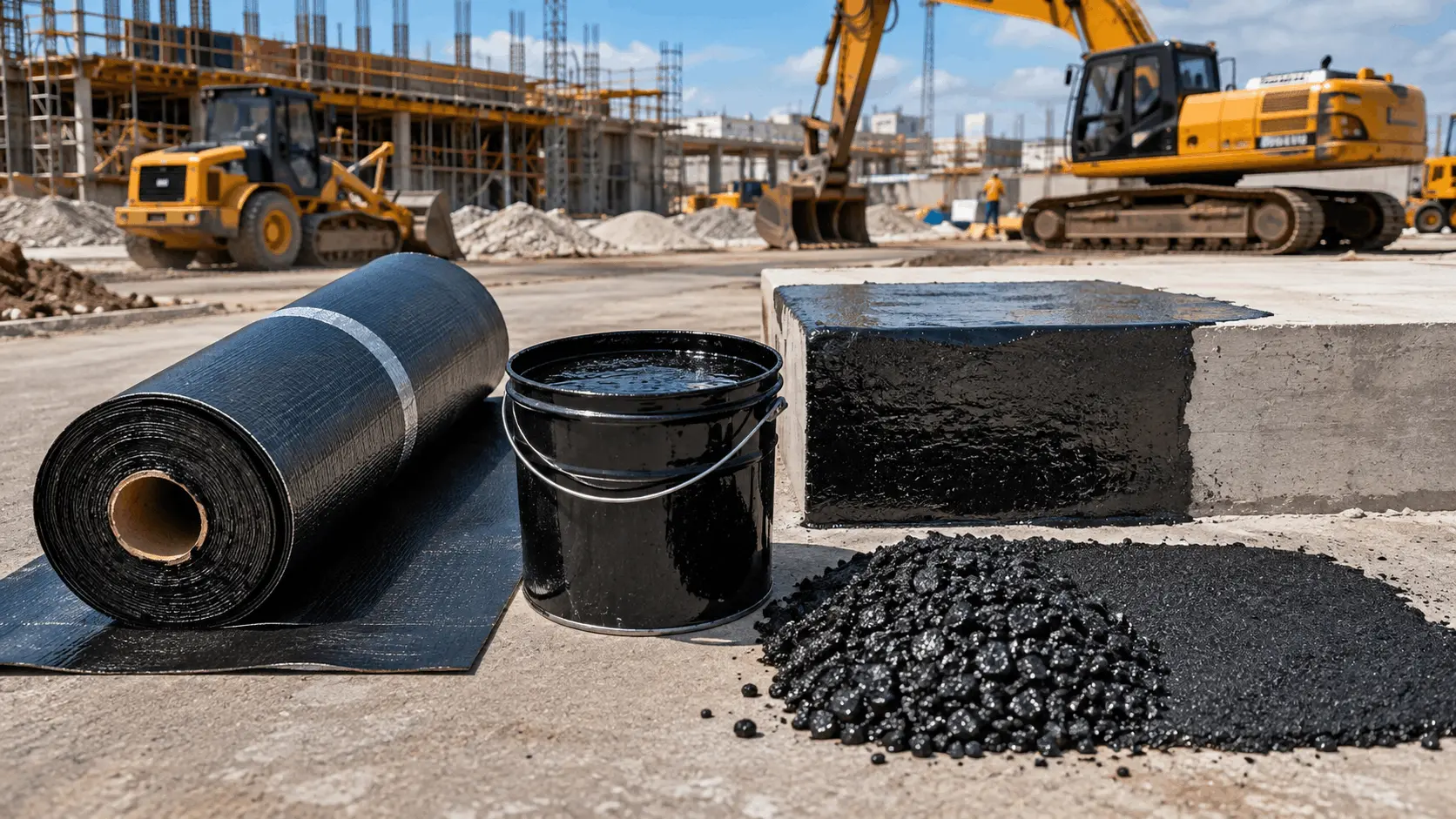
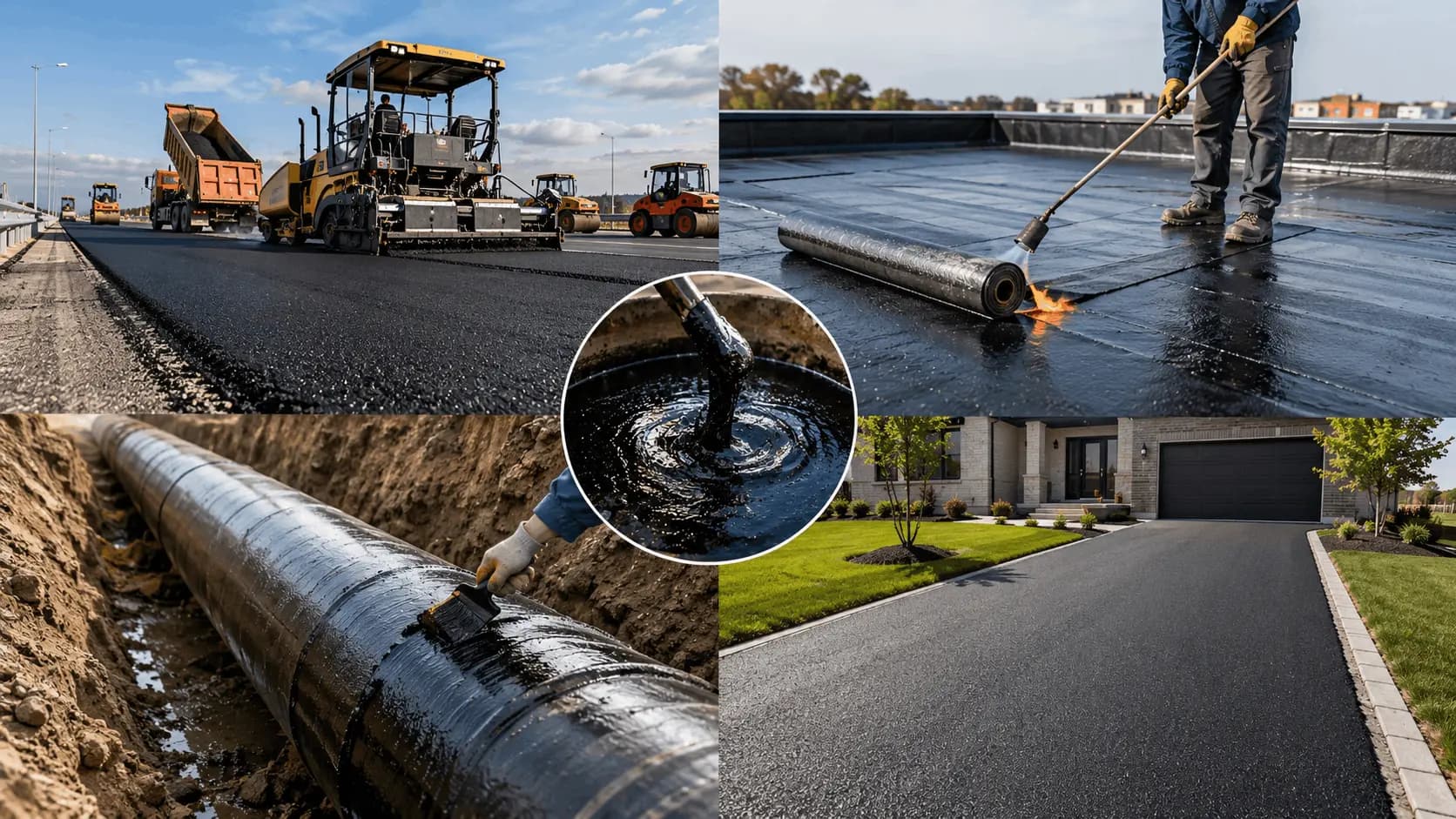
Bitumen shows up in more places than most people realize. Its combination of waterproofing and adhesive strength makes it valuable well beyond roads.
Road construction & driveways
Bitumen's biggest use. It binds crushed stone and sand into asphalt, which is then laid and compacted to form road surfaces, parking lots, airport runways, and driveways—with bitumen driveway costs varying significantly based on global location and size.
Roofing & waterproofing
Bitumen membranes — particularly modified bitumen — are a standard choice for flat and low-slope roofs, foundations, basements, and bridge decks. Our guide on modified bitumen roofing explains the system layers and materials used.
Industrial applications
Pipe coatings, damp-proofing courses in buildings, and certain sealants rely on bitumen for its resistance to water and mild chemicals.
Protective coatings
Bitumen paint and bituminous coating products protect metal and concrete surfaces from corrosion and moisture — common in tanks, pipes, exposed structural steel, and foundation walls.
Advantages and Disadvantages of Bitumen
Advantages
- Strong waterproofing
- Flexible under traffic loads
- Recyclable
- Faster to apply than concrete
- Cost-effective at scale
Disadvantages
- Softens in extreme heat (rutting risk)
- Brittle in extreme cold with wrong grade
- Price tied to crude oil markets
- Needs periodic resealing
- Safety concerns during hot application
Is Bitumen Safe to Handle?
Bitumen itself is considered low-risk when handled correctly, but heating and applying it comes with real hazards that construction crews take seriously.
Hot bitumen can cause severe burns on contact, since working temperatures typically run between 140°C and 180°C. Fumes released during heating can also irritate the eyes, skin, and respiratory system with prolonged exposure. Workers handling hot bitumen use heat-resistant gloves, long sleeves, face shields, and, near mixing plants, respiratory protection. The Federal Highway Administration (FHWA) provides guidance on safe asphalt paving practices for workers on site.
Comparisons & Terminology: Bitumen vs Asphalt, Tar & Concrete
These terms get mixed up constantly, and the confusion is understandable since they are all used in paving or construction. But they are distinct materials.
Bitumen vs. Asphalt vs. Tar
| Feature | Bitumen | Asphalt | Tar |
|---|---|---|---|
| Source | Crude oil (refined or natural) | Bitumen + aggregate mix | Coal or wood, distilled |
| Composition | Pure binder | Bitumen combined with stone, sand, gravel | Different hydrocarbon structure |
| Appearance | Thick, black, semi-solid | Grayish-black finished surface | Darker, thinner, stronger smell |
| Main use | Binding agent | Finished road/pavement surface | Historically roofing and roads |
| Weather resistance | Good | Good (depends on mix) | Lower; breaks down faster under UV |
The short version: bitumen is an ingredient, asphalt is the finished product that contains it, and tar is a related but chemically different material largely replaced by bitumen in modern construction due to environmental and durability concerns. For the complete side-by-side breakdown — including grades, mix types, cost drivers, and a quantity calculator — see our dedicated asphalt vs bitumen guide.
Bitumen vs Concrete
| Feature | Bitumen Binder | Concrete (Cement-based) |
|---|---|---|
| Flexibility | High (thermoplastic, yields to pressure) | Low (rigid, can crack under settling) |
| Waterproof | Excellent natural waterproofing | Moderate (requires sealants) |
| Cost | Generally lower initial cost | Higher initial cost |
| Repair | Easier to mill and patch | Harder to patch seamlessly |
While bitumen serves as the flexible binder for asphalt pavements, rigid concrete relies on Portland cement. For a complete lifecycle cost, climate durability, and load-bearing performance comparison between flexible blacktop and rigid concrete surfaces, read our detailed guide on asphalt vs concrete pavement selection.
Asphalt Binder & Bituminous Concrete
When engineers talk about “binder” in paving, they mean bitumen. Asphalt binder is simply another name for the bitumen portion of an asphalt mix — the substance that coats and holds the aggregate together. Without the binder, asphalt would just be loose gravel.
Bituminous concrete, sometimes called asphalt concrete, is the technical name for pavement made by mixing bitumen with graded aggregate — a precise combination of different stone and sand sizes. It's the standard material for most modern road surfaces, made up of 90–95% aggregate by weight, with bitumen filling the rest.
Is Bitumen the Same as Blacktop or Tarmac?
Not quite, though the terms are often used interchangeably in everyday conversation.
Blacktop:A general term for asphalt pavement, especially in North America. It refers to the finished road surface, not the binder itself.
Tarmac:A British term, short for “tar-macadam,” originally made with tar rather than bitumen. Modern tarmac typically uses bitumen as the binder, so the name has stuck even though the ingredients changed.
Bitumen in Road Construction
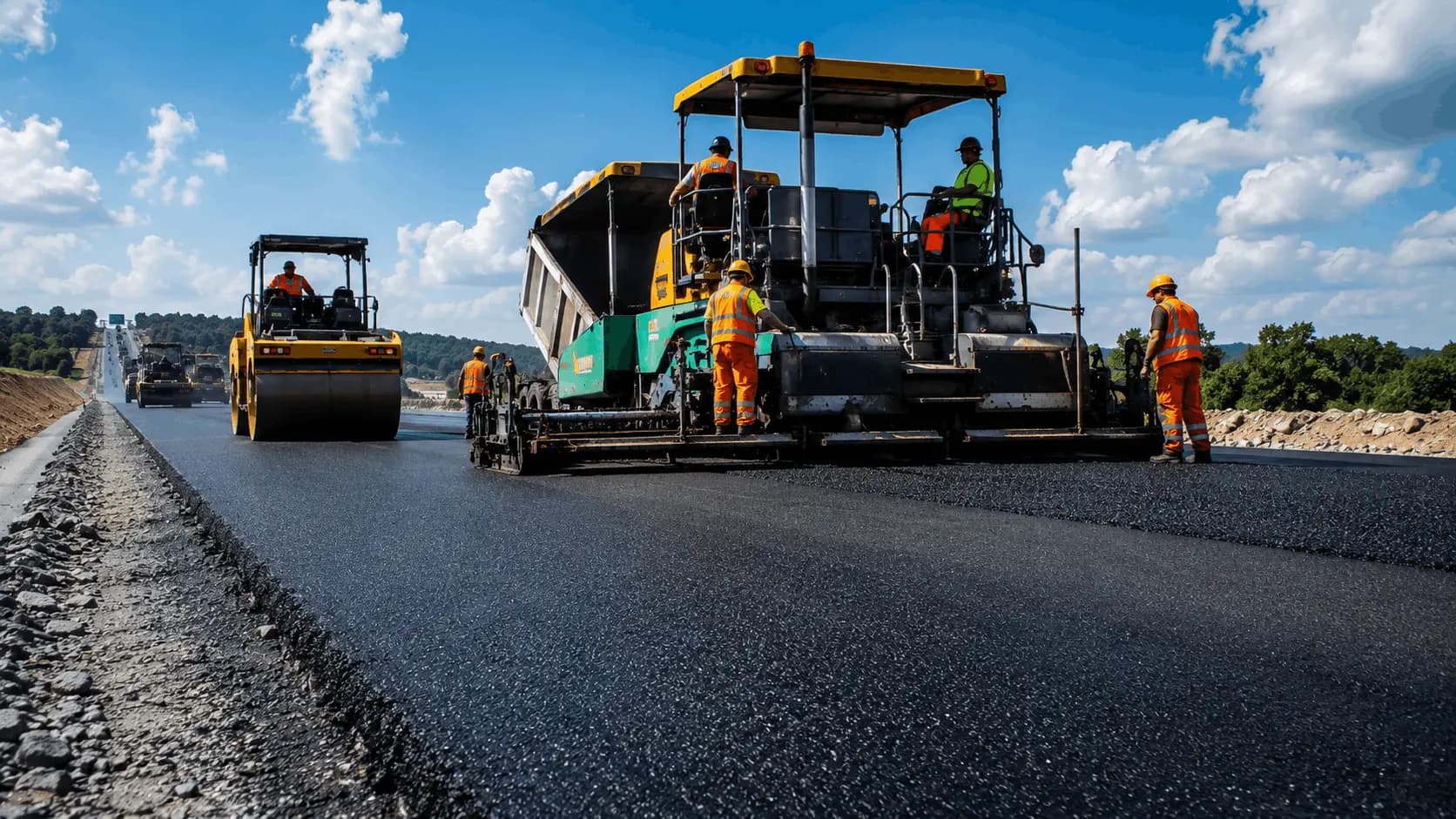
Building a bitumen road follows a specific sequence to make sure the surface lasts.
The ground is graded and compacted to create a stable foundation
Bitumen is heated and blended with aggregate at a mixing plant
The hot mix is spread evenly across the prepared base using a paver
Heavy rollers press the mix down, removing air pockets
The bitumen hardens as it cools into a solid, weatherproof surface
Common Problems in Bitumen Roads
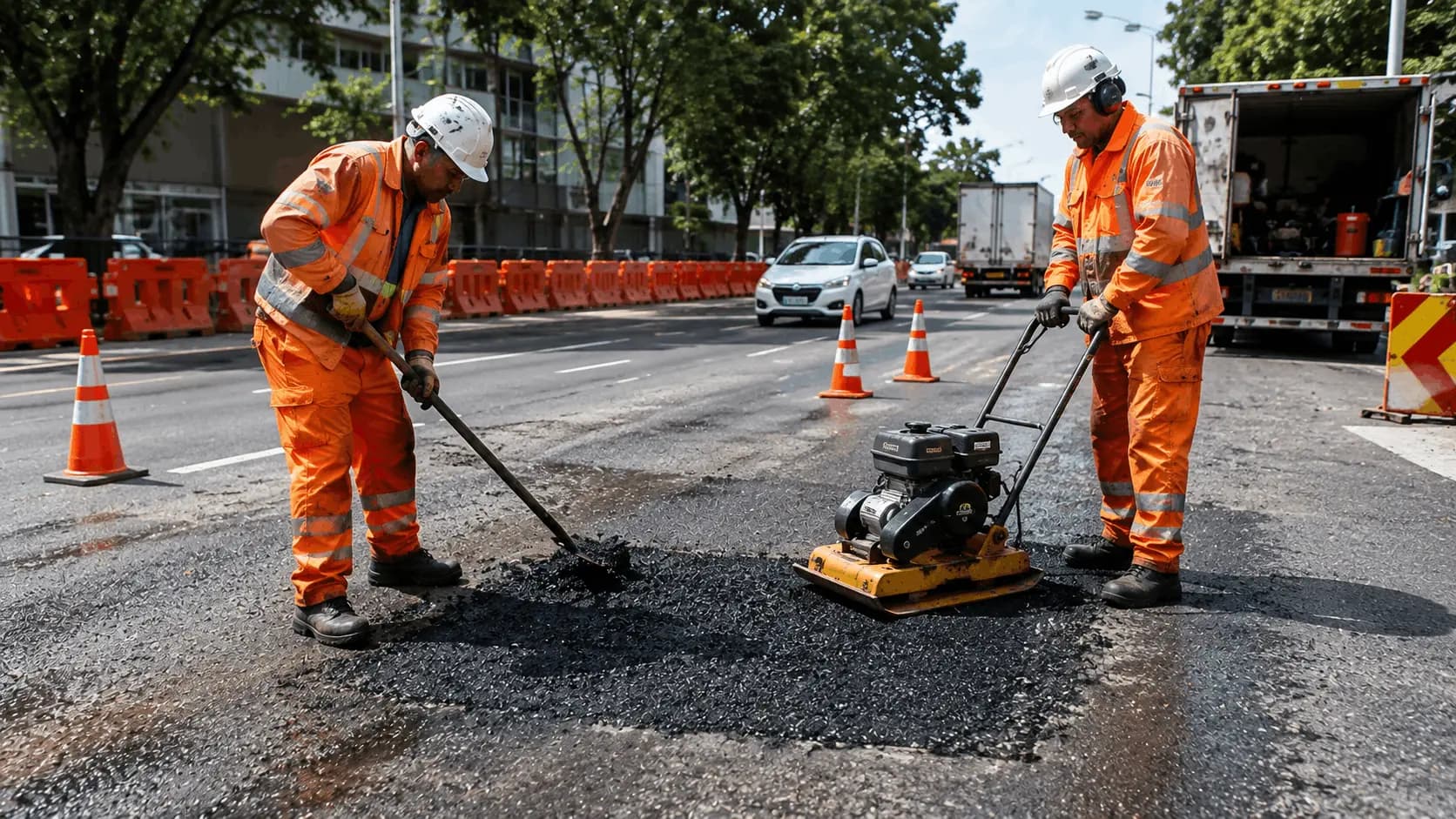
Repair and Maintenance
Keeping bitumen surfaces in good condition relies on a few standard techniques:
How Long Does Bitumen Last?
| Application | Typical Lifespan |
|---|---|
| Asphalt driveway | 15–20 years |
| Road surface | 15–25 years before major resurfacing |
| Roofing membrane | 10–20 years |
| Waterproofing coating | 5–15 years, depending on exposure |
Regular sealing and prompt crack repair can push these numbers toward the higher end of each range.
Bitumen Quality and Products
Not every batch of bitumen performs the same way, and quality control matters more than people assume. Refineries and suppliers test bitumen for penetration grade, ductility, and softening point before it goes to market.
Bitumen products vary by intended use: paving grade for roads and driveways, industrial grade for coatings and waterproofing, and modified bitumen, blended with polymers or rubber, for extra flexibility in extreme climates.
What Affects Bitumen Price?
Bitumen price fluctuates with crude oil markets, since it's a petroleum byproduct. Grade and quality, order quantity, regional supply and refining capacity, transportation (bitumen needs heated tankers), and general supply chain conditions all influence cost — which is why prices vary between countries and even between suppliers in the same region.
Quick Facts About Bitumen
Why is bitumen black?
The heavy hydrocarbons and carbon-rich compounds left after refining absorb nearly all visible light, giving bitumen its dark, near-black color.
Why is bitumen waterproof?
Its hydrocarbon structure repels water rather than absorbing it, and once compacted, it forms a continuous layer with no gaps for moisture to pass through.
Is bitumen flammable?
It can ignite at very high temperatures, but isn't considered highly flammable under normal handling. The bigger safety concern is fumes released when it's overheated.
Is bitumen toxic?
Once cooled and set, it's chemically stable and low-risk to touch. Fumes released during heating can irritate skin and airways with prolonged exposure, which is why workers use protective equipment during application.
Can bitumen crack?
Yes, especially with age, temperature swings, or a base that wasn't compacted properly. Cracking is one of the most common signs a surface needs maintenance.
Does rain damage fresh bitumen?
Freshly laid bitumen that's still warm can be disturbed by heavy rain before it sets. Once cooled and compacted, it's fully waterproof.
Conclusion
Bitumen is the binder, not the road. It's the sticky, petroleum-based material that holds asphalt together, made either by refining crude oil or, less commonly, sourced naturally from deposits like oil sands. Its waterproofing, adhesive, and heat-responsive properties make it essential not just for paving, but for roofing, waterproofing, and industrial coatings.
Understanding bitumen's role — and how it differs from asphalt and tar — makes it easier to choose the right material, whether you're sealing a driveway, comparing paving contractors, or making sense of construction terminology.
If you're planning a paving project, estimating material quantities before construction can save time and reduce waste. You can use our Bitumen Calculator to estimate bitumen requirements based on road dimensions, mix density, and binder percentage.
Once you understand what bitumen is, the next practical question is how it reaches the job site safely. Our dedicated guide on how bitumen is transported covers tanker temperatures, UN 3257 dangerous goods rules, ISO containers, ships, and a full site delivery checklist.
And if bitumen has ended up somewhere it shouldn't — on your hands, clothes, car, or concrete — our practical guide on how to remove bitumen safely covers surface-by-surface methods, what products to use, and what to avoid.
To verify material performance and compliance before paving, explore our technical breakdown of essential bitumen quality tests covering penetration index, softening point, ductility, viscosity, and flash point procedures.
Frequently Asked Questions
Is bitumen a liquid?
Not at normal temperatures. Bitumen is semi-solid until heated to around 150–160°C, at which point it becomes a workable liquid. As it cools, it hardens again.
What is bitumen made of?
Mostly hydrocarbons — specifically asphaltenes, resins, and oils — along with trace amounts of sulfur, nitrogen, and metals. It comes from refining crude oil or occurs naturally in deposits like oil sands.
Is asphalt the same as blacktop?
Essentially yes. Blacktop is a common term, especially in North America, for the finished asphalt pavement surface.
What does bituminous mean?
"Bituminous" describes anything containing or related to bitumen. Bituminous coating or membrane refers to bitumen-based waterproofing products.
What is bitumen used for?
Mainly road construction and driveways, but also roofing membranes, waterproofing, pipe coatings, and industrial floor sealants.
Bitumen vs. tar — what's the difference?
Bitumen comes from crude oil; tar traditionally comes from coal or wood. Tar has largely been phased out in favor of bitumen due to environmental concerns and better weather resistance.
What is cold mix bitumen used for?
Pothole repairs, patching, and temporary road maintenance in locations where a hot mix plant isn't available.
What is modified bitumen?
Standard bitumen blended with polymers or rubber to improve elasticity, heat resistance, and durability in demanding climates and high-traffic areas.
Is bitumen recyclable?
Yes. Old bitumen-bound pavement is commonly milled and recycled into new asphalt mixes.

Founder & Web Developer
Nabeel Awan is a web developer and the founder of BitumenCalcPro. His work focuses on web development and building practical online tools, with a strong interest in civil engineering, asphalt, bitumen, pavement construction, and construction technology.